A technique to shape the frame
Golden-hour backlight
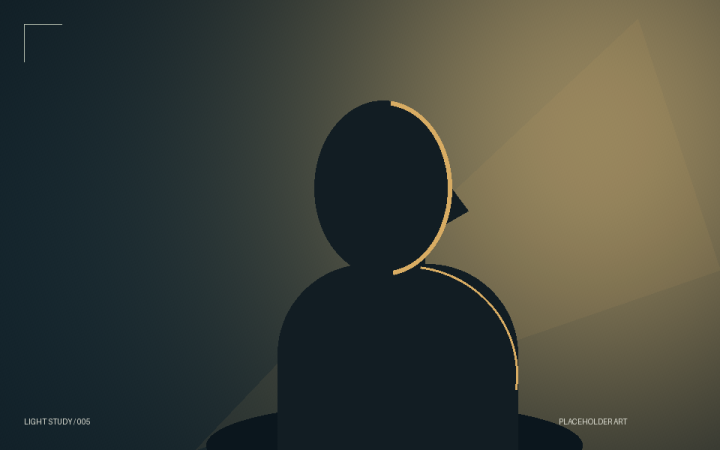
Use low warm sunlight from behind a subject to create separation, long shadows, and a sense of late-day space.
How it works
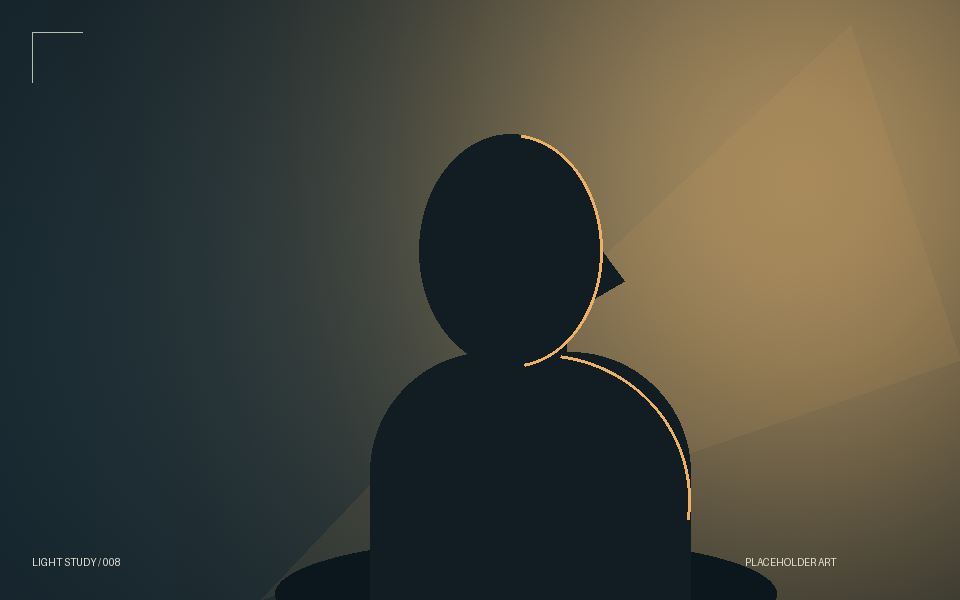
Place the low sun behind or behind to one side of the subject. Its shallow angle can highlight hair, fabric edges, and airborne detail while the face receives softer light from the environment.
Evaluate the face and sky separately. Change the camera angle or add modest bounce if the expression becomes difficult to read. The useful time window depends on location, weather, and season.
When to use it
Walking scene: let warm edges and long ground shadows establish the time of day.
Outdoor portrait: preserve a gentle face while the background and outline carry the sun's warmth.
Common mistakes
Adding an orange filter does not recreate the direction of low sunlight. Shadows should agree with the sun position. Bright flare can hide the expression rather than enrich the scene.
Questions, answered
Is golden hour exactly sixty minutes?
No. The duration and character of low-angle sunlight vary with geography, season, and conditions.
Are the placeholder images generated results?
No. They are locally created abstract illustrations, supplied to demonstrate the site layout.