A technique to shape the frame
Low-key lighting
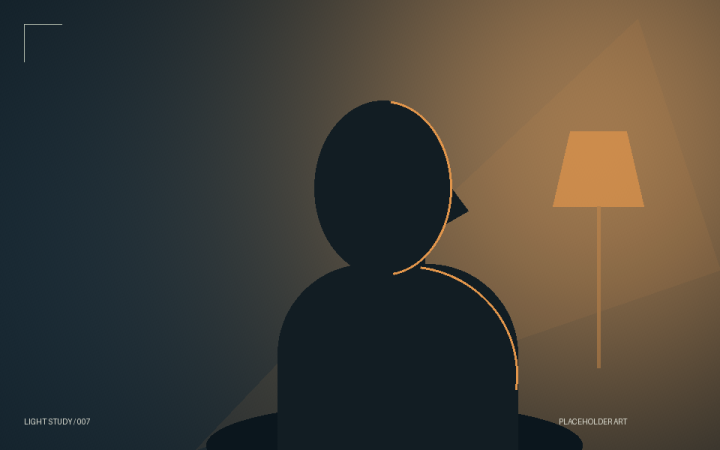
Reserve light for the details that carry the scene, allowing the rest of the frame to fall into shadow.
How it works
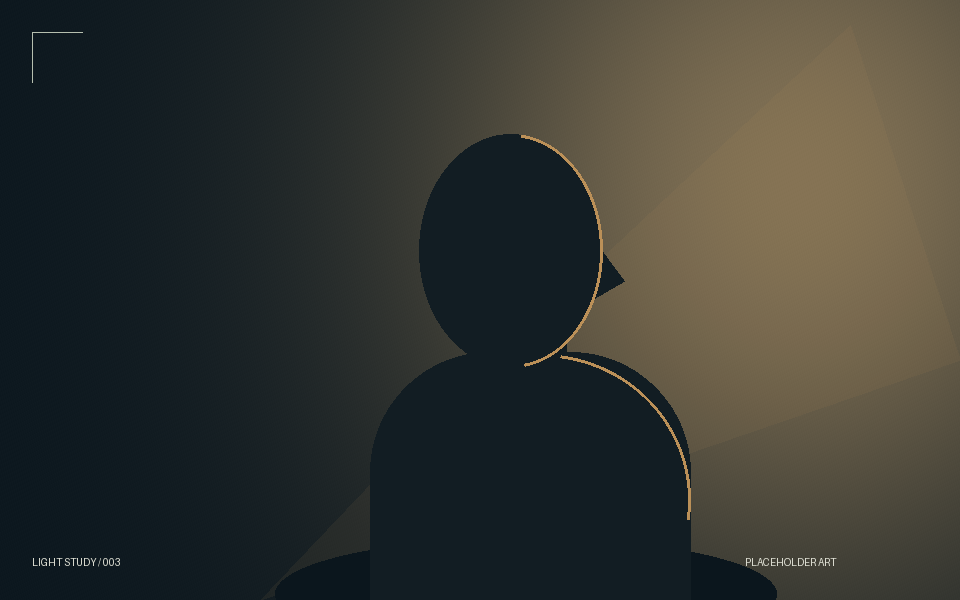
Choose a limited area to illuminate and control spill onto the background. Reduce fill so the difference between light and shadow remains clear. A face, hand, or object can guide attention without brightening the whole room.
Darkness still needs structure. Keep enough information to understand the action and separate important shapes where they overlap.
When to use it
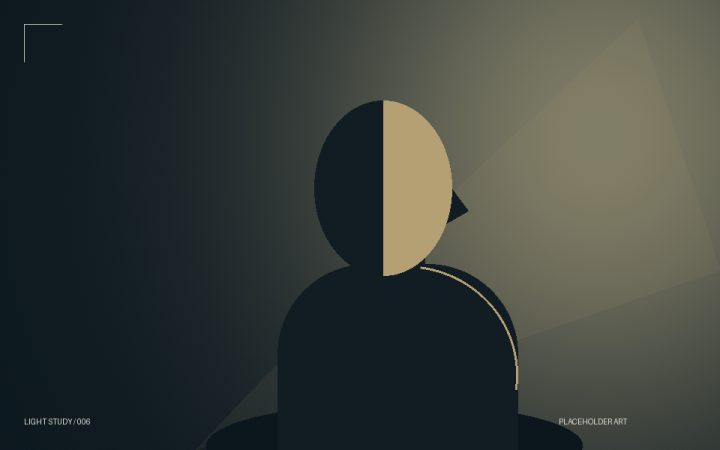
Tense conversation: illuminate a narrow side of the face while leaving the room subdued.
Object reveal: let one reflective edge guide attention to an item in a dark setting.
Common mistakes
Lowering exposure across the entire image can hide the story. Too many bright practicals compete with the subject. Dark noise or crushed blacks should not substitute for deliberate light placement.
Questions, answered
Does low-key mean underexposed?
No. The important lit area can be correctly exposed while much of the frame remains dark.